
Car Prices Hit a Record High, What Does this Mean for You?

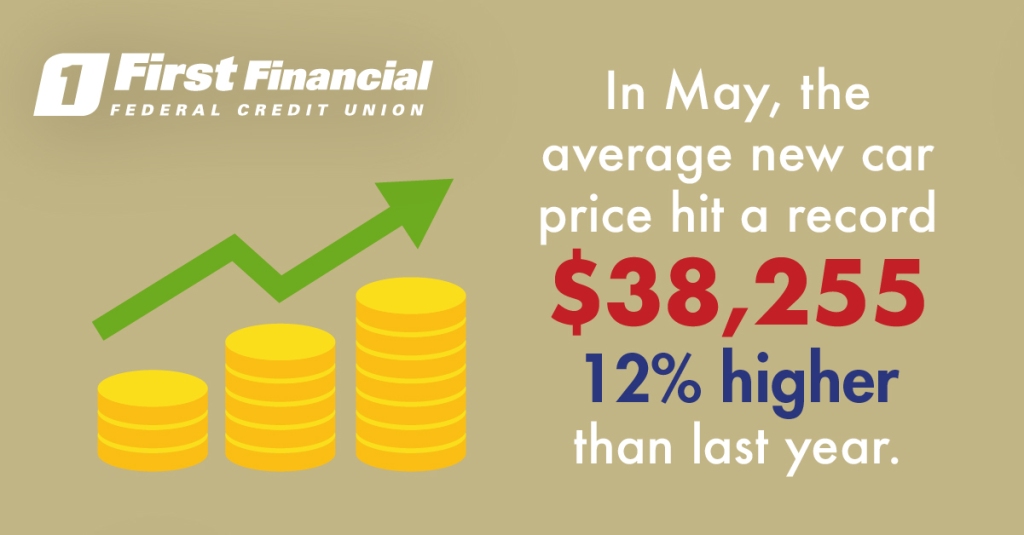
The average new car price hit a record high of $38,255 last month, according to JD Power. That’s up 12% from the same period a year ago.

If you’re out car shopping right now, be prepared to pay bigger bucks than usual for that vehicle. About two-thirds of car buyers paid within 5% of the sticker price last month, with some even paying above sticker price. That means there are fewer deals to be had and fewer negotiations taking place.

Why? Due to a computer chip shortage at auto plants around the world, car dealers are left with a fraction of the vehicles (both new and used) than what they typically have on hand. Since more people are buying used cars, they are also becoming as difficult to get as new cars.

Here are a few things to keep in mind if you’re in the market for a new or used vehicle right now:

  • Don’t expect a great deal: Don’t be surprised if the dealership only discounts the vehicle you’re looking at by a few hundred dollars, if anything at all.
  • Search outside of your community: Not finding what you want in your local area? Look at dealerships a bit further away from home. This can make a difference in getting the car you want or in hopefully getting a better deal.
  • Ask for top dollar for your trade-in: One bright spot is if you have a vehicle to trade-in, because of the shortage – trade-in values are at an all-time high. This can help cushion the higher sales price.
  • Hit pause: According to Edmunds, the vehicle shortages might last for another six months or so. If you’re not in a hurry to buy a car right now, their best advice is to wait a bit.

Are you still considering buying a new or used vehicle and need a loan? Click here to find out about a First Financial Auto Loan or get pre-approved to ensure you know where to start, what monthly payments you can afford and get the best deal possible for you.*

Waiting it out? You may be able to save by refinancing your current vehicle from another lender.** Click here to get started by filling out our online quick Auto Loan Review inquiry form.

Do you have a lease coming due soon? Another option is to keep the car you already know and love, by buying out your car lease.* Get started here.

*APR = Annual Percentage Rate. Not all applicants will qualify, subject to credit approval. Additional terms & conditions may apply. Actual rate may vary based on credit worthiness and term. A First Financial membership is required to obtain a First Financial auto loan and is available to anyone who lives, works, worships, volunteers or attends school in Monmouth or Ocean Counties. See credit union for details. A $5 deposit in a base savings account is required for credit union membership prior to opening any other account/loan.

**Not all applicants will qualify, subject to credit approval. First Financial FCU maintains the right to not extend credit, after you respond, if we determine you do not meet our guidelines for creditworthiness. Current loans financed with First Financial FCU are not eligible for review or refinance. A First Financial membership is required to obtain an auto loan and is available to anyone who lives, works, worships, volunteers or attends school in Monmouth or Ocean Counties. A $5 deposit in a Base Savings Account is required to establish membership.

5 Ways to Get a New Car for Less

Premium styling. Flawless paint. Glistening tires. That unmistakable new car smell. Everything about a new vehicle practically begs you to buy it. When you close your eyes and think about driving your brand new set of wheels off the lot, it quickens your pulse a little, doesn’t it? Shopping for your next vehicle is a uniquely exciting experience. Usually until you look at the price tag, that is.

If you haven’t priced cars recently, you may be surprised by the figures you find. According to a recent report by Edmunds, the average loan amount for a new car jumped to more than $32,000, and the average monthly payment rose to $558. Sure, the latest models may be nice, but facts are facts—that’s a lot of money to pay for a car.

Now, before we go any further, if you’ve been saving up for your dream car and figured out how to buy it without demolishing your budget, then by all means – go for it! But if you find yourself in the market for a new vehicle and you want to avoid overspending, we’ve got five tips to help you hang onto more of your hard earned money.

5 Ways to Save Money When Buying a Car

Do your research.

The last thing you want to do is show up to a car lot with no idea what you’re looking for. Lack of preparation puts you at the mercy of the salesperson. And while they may be genuinely nice people, sales professionals make their living by getting you to buy a product at the highest price possible. So, before you head to a dealership, narrow down your choices by doing your research. Thanks to the Internet, companies like NADA, Car and Driver, and CarsDirect can help you sort thousands of options by everything from location to price to trim packages.

Get preapproved. ​​

Once you’ve determined which vehicle fits your preferences and meets your needs, it’s smart to get preapproved for financing. There’s a good chance you’ll find better financing rates through your local credit union than through another lender. Once you’re preapproved, you’ll know how much you can afford, what interest rate you’ll pay, and what your monthly payments will be. This information gives you the upper hand in price negotiations and keeps you from getting distracted by dealer tactics that focus strictly on monthly payments. Preapproval lets you negotiate based on the most important aspect—price.

Shop for incentives.

When sales are lower than expected, automakers will often extend money saving incentives to encourage buyers to purchase their vehicles. This is an instance where the manufacturer’s loss can be your gain. If you’re not already loyal to a particular make or model, you may be able to take advantage of dealer incentives such as discounts, rebates, and lower APR on financing. If you are loyal to a specific type of car, that can work in your favor as well, as some car companies will offer customer loyalty incentives to encourage you to keep driving their cars.

Ask for a lower rate. 

There are plenty of books, websites, and podcasts that offer tips and tricks on negotiating more effectively. While most of their ideas have merit, there’s one suggestion that may seem a little too simple and straightforward—ask for a better deal. In most cases, a dealer or salesperson will start negotiations with an offer that benefits them the most. Asking them to do better is part of the game. To give yourself the best chance of success, be polite and be prepared to walk away. Some dealers will play hardball, but when they have an interested buyer (especially one with preapproved financing), most would rather sell a car for a little less than let it sit on the lot and hope another buyer comes along.

Choose a used car instead.

Maybe this tip isn’t exactly a way to “get a new car for less,” but it is an excellent way to save money on your next vehicle purchase. Since most new cars depreciate an average of 20% in the first year and nearly 50% after five years, buying a preowned vehicle is a smart way to steer clear of that depreciation. It’s also worth mentioning that in addition to their lower upfront prices, used cars usually cost less to insure. Save now. Save later. That’s a pretty convincing sales pitch, isn’t it?

When you’re ready to start shopping for your next car, we’re confident that you can handle the research portion. But when it comes to the financing and preapproval, do yourself a favor and contact us here at First Financial. We may be able to offer you a lower rate and more flexible terms than a traditional bank or lender.* Give us a call today. You’ve got nothing to lose — except months of unnecessary interest payments!

*APR = Annual Percentage Rate. Not all applicants will qualify, subject to credit approval. Additional terms and conditions may apply. Actual rate may vary based on credit worthiness and term. First Financial FCU maintains the right to not extend credit, after you respond, if we determine you do not meet our guidelines for creditworthiness. A First Financial membership is required to obtain an Auto Loan and is available to anyone who lives, works, worships, volunteers or attends school in Monmouth or Ocean Counties.