4 Ideas for “Me Time” Under $25

Whether or not you’re a parent, it’s important you take time out of your busy schedule to take care of yourself once in awhile. Parents often call this “me” time and although some may not want to admit it, everyone needs a little time to themselves for rest and relaxation. Here are four budget-friendly tips for getting that much needed “me” time for under $25.

Pick out a Pinterest project.

Whether it’s a new recipe, a home décor idea, or a creative craft, go back to your Pinterest boards and tackle that project you’ve been longing to get to. Having a small project to do on your own, will get you feeling creative and also productive.

Have your car cleaned.

Sometimes having someone do your chores makes all the difference in the world. Cleaning out your car is not something most of us look forward to, so do some research and find auto-detailing shops in your area on the cheap. In most cases, you can usually get a great interior and exterior wash for around $20. Check out Groupon for deals near where you live or work.

Take a nap.

Who doesn’t love a good nap? Many of us are lucky if this is ever an option. On the next weekend that rolls around, make it part of your day, even if it’s just 30 minutes. If you have children – arrange in advance for them to be looked after. Just getting that extra time in to rest can really help recharge your batteries, even if you just lie down and don’t go all the way to sleep.

Go out for a solo coffee date.

Those fancy coffees can really put a dent in your budget, but grabbing one every so often can be a nice treat. Make a plan to hit up your neighborhood coffee shop with a good book or magazine and sit and enjoy your favorite beverage. The coffee will give you an energy boost and the alone time will help you feel happy and rejuvenated.

Article Source: Wendy Bignon for CUInsight.com


4 Money Skills You Should’ve Had Yesterday

Everyone’s life is different and we all learn life skills in a different order, at a different age, and at a different place. No matter where you’re at, here are 4 money skills you should have.

Negotiating purchases: When you were shopping for your first new car you probably didn’t have a clue about how much you should spend or how much the car was really worth. It’s time to do your homework. Negotiation is a battle and you need to show up to the dealership prepared with knowledge as your ammo. Don’t just accept the price of the first car you like. Make a counter-offer that’s reasonable and don’t be afraid to say no and walk away. Stick to your gameplan and you’ll end up with a good deal.

Here’s how to buy a car in 5 easy steps!

Budgeting your paycheck: Your first job put more money in your pocket than you’d ever made in your life and you probably spent like crazy. Now that you’re older, you need to be seriously thinking about your spending habits and saving for retirement. If you haven’t used a budget before, find one and stick to it. If you’ve been living paycheck to paycheck, it’s time to stop.

Check out our budgeting guide for some helpful hints on creating a budget.

Maximizing your credit score: When you’re young, you don’t care about your credit score. But it’s never too early to start paying attention to it. Anything you purchase that requires making payments will be affected by your credit score. The higher your score, the better your interest rate, which will save you a lot of money over the life of the loan.

Using your credit cards: Credit cards are a valuable tool when used correctly. When used irresponsibly, they can turn on you in a heartbeat. When you get that first credit card, use it periodically to build credit. DON’T overspend. If you want to use your credit card more often, make sure you pay it off every month. EVERY SINGLE MONTH. Don’t miss payments and don’t leave a balance. If you stick to those rules, you’ll be in good shape.

Article Source: John Pettit for CUInsight.com

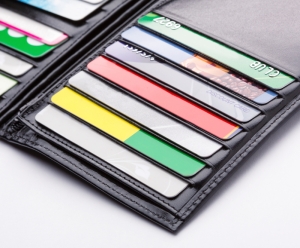
4 Items You Should Never Carry in Your Wallet

When it comes to your wallet – there are some things you should surely throw away, and there are others you should take out and file away immediately to prevent identity theft.

Social Security Card

It may seem obvious to not carry this with you, but many people have long kept their SS card in their wallet. But think about it, if you have your number memorized, which most of us do, when do you actually need your card? Have you ever had to present your card to someone? Carrying this information around with you is a bad idea. If the wrong person gets ahold of your social security number, you could end up with loans opened up in your name and new credit card accounts.

Passwords

It seems every website we visit now requires a password. How are we ever supposed to keep up with them all? It’s a great idea to have a cheat sheet where all your passwords are kept, but do not be tempted to keep this information in your wallet. Instead, keep your notes at your desk, locked in your phone, or filed away somewhere at home with other sensitive information.

Credit Cards

Many of us are way past the point of having a credit card just for “emergencies.”  It’s hard to check out at any retail store without being asked if we’d like to “save 10% by opening up a store credit card.” No matter how many cards you have, it’s wise not to carry all of them in your wallet at once. Think about it: if your wallet is stolen or lost, would you want someone to have access to every account you have? Instead, keep one card with you for those emergencies and leave the others at home in a safe place – unless you are specifically going to that particular store. This can also keep you from making spur of the moment purchases you’ll likely regret.

Receipts

Once you get home from a store after making a purchase, decide right then if you need to hold on to the receipt. Is there a chance you’re going to return the item? If not, then toss the receipt right away. If it is a larger purchase or some type of home technology, you may want to keep the receipt until after the purchase shows on your next credit card statement, to ensure you were charged the correct amount and that the item functions properly.

Article Source: Wendy Bignon for CUInsight.com

4 Tips for Planning for Financial Emergencies

We don’t always know when the unexpected will happen. That doesn’t mean we can’t plan for it though. In fact, one of the best things you can do for your finances is to look ahead and prepare for the inevitable emergency.

Here are four tips you can use for your plan:

1. Start with Your Rainy Day Fund

It’s old news, but the reality is that many Americans still don’t have the resources to handle a $500 emergency. That means you probably need to beef up your rainy day fund. Get started even if you feel like you can’t set aside a ton. Every little bit helps. Set aside money each week that can be used for a rainy day.

This also includes paying attention to what’s happening with your expenses. While things do happen unexpectedly, the truth is that we often get clues that something is about to break down. The washing machine behaves erratically, or you notice something about the fridge. Once those signs appear, start setting money aside.

2. Plan for Routine Costs

You know that the oil needs to be changed in your car every so often. There are plenty of other maintenance milestones that come with owning a car too. You need to plan for these items. From home maintenance to the fact that your kids need to get clothes for school every year, there are routine costs in your life.

Make a plan to save a little bit each month for these routine costs. You can use a system that helps you prepare to meet these challenges when they arrive, preferably a system where savings are automated. That way, you won’t have to rely as heavily on your emergency fund or (worse), your credit cards.

3. Perform an Insurance Audit

When was the last time you checked your insurance coverage? Do you have the right amount? Will it cover your situation? Double check your coverage.

Make sure your home is covered. What if you’ve recently bought some expensive items? Are they covered against loss? Look at your health insurance coverage. Will it be enough if you end up in the hospital? Is the deductible affordable? On the other hand, are you paying for too much coverage and not freeing enough money to save?

The right insurance coverage can go a long way toward helping you out when you’re in a pinch. And don’t forget the life insurance to cover your family, just in case.

4. Know What You Can Cut

Finally, make sure you know what you can cut from your budget in an emergency. Which items are the first to go? Which items, when cut, could result in immediate savings? This exercise can help you spring into action once a financial emergency strikes.

Plus, looking at your spending with a critical eye can help you now. If you take the time to review your spending and identify areas of waste, you can plug those leaks now. Divert the money toward other goals, like building a rainy day fund or preparing to buy a new appliance.

Article Source: Miranda Marquit for Moneyning.com

3 Ways Money Could Be Hurting Your Relationship

One cause for concern for many is financial issues and how money can put a strain on your bond with your significant other. Here are three ways your finances could be killing your relationship.

Shopping secrets.

Are you spending way more money on yourself than you’re admitting to? It’s good to treat yourself at times (who doesn’t love to splurge?) but hiding it from your partner may cause major tension. If you’re keeping your purchases secret your loved one may think that you’re hiding other things as well. If you feel it’s necessary to keep your shopping habits to yourself, there could be a reason for it. Is your partner worried about your finances while you’re out spending frivolously? Like every relationship issue, communication is key. If there’s something you want to buy, talk about it. If your partner thinks money is too tight for that purchase, respect their feelings and hold back on buying that new handbag until you’re at a place where you both agree your finances are in good shape.

Credit card debt.

Did you enter into your relationship with card debt? If so, make sure your partner knows off the bat how much you’re in the hole. It’s much better to be up front about it than for them to find out later. According to USA Today, the average American consumer has close to $4,000 in credit card debt. Don’t feel bad about what you owe, but be open about your plans for tackling the debt. Talk about the poor decisions you made that put you in debt in the first place and set goals together for setting things right.

Avoiding money discussions.

As mentioned above, communication is incredibly important to a healthy relationship especially when it comes to money matters. Not only is discussing your finances essential but not waiting until you are in a tight spot to hash things out is also key to a solid bond. Maintaining trust and having patience can help your partner feel comfortable being open about their financial habits. How someone spends their money is often a reflection of their priorities in life, therefore it’s always important that you’re both honest so you can make sure you remain on the same page.

Article Source: Wendy Bignon for CUInsight.com

Going Back to College? What’s Truly Essential for Your Dorm

Back-to-college shopping can get expensive. Besides tuition and books, there’s clothing, class supplies, and dorm essentials. The National Retail Federation’s Back to College survey reports that this year students (or their parents) will spend an average of $969.88 for dorm furnishings and college supplies. Of this spending, the top four categories are projected to be electronics, clothing, food items, and furnishings.

While this might seem like a small dent compared to the cost of tuition and housing, it can take a significant chunk out of a student’s savings or, worse, end up on a credit card. The question then, is how many of these ‘essentials’ are necessary? Regardless of how convincingly retailers market their back to college lists and attractively arrange their mock dorm showrooms, it’s doubtful students really need all of that.

Based on feedback from students and parents who have learned the hard way, here are a few things you do and don’t need as you start getting ready to go back to college.

1. Furniture and Appliances: Be Picky

It sounds plausible that students without full access to a kitchen would want their own microwave, toaster, or mini-fridge, but students often find that these are either redundant (many dorms have a common area that includes these appliances), take up too much space, or don’t get utilized much. Go light on the kitchen appliances, especially if you or your student is on a meal plan. On the other hand, appliances like small fans might be useful (and don’t cost much).

Colleges usually supply basic furniture, but if you need to fill in a few gaps, bring items from home or shop second-hand. After all, you’re shopping for items that will probably only get used a maximum of four years. The one furniture item many students recommend spending a little more on is their bed. Between sleeping and studying, a mattress pad and comfortable blankets and pillows will pay for themselves.

2. Personalize, But Don’t Deck It Out

Another category that eats over $100 of that survey average is dorm décor. It can be easy to get carried away with making a new space into a personal statement, especially if you enjoy decorating. Remember: it’s only temporary. Spending money on how your room looks isn’t something you’ll look back on as a good investment in your education.

On the other hand, saving money doesn’t mean you need to settle for an outdated dorm room. Put up a picture board, bring some personal items from home, hit the thrift shops, and choose décor items that are also functional (like a cushioned footstool that doubles as storage).

3. Don’t Forget Practical Things

If you’re too focused on dorm room aesthetics, you might forget to save some cash for practical items – the things that come in handy when your home consists of a tiny room shared with another person. For instance, things like adhesive hooks and non-mounted shelves for storage, power strips with USB plug-ins for those scarce outlets, and a sewing kit for missing buttons or small tears – are all practical things nearly everyone will find useful. They also happen to be inexpensive.

4. Start Simple and Buy for Your Needs

Despite the lure of sales and beating the long lines at the local department stores on move-in weekend (remember, there’s always online shopping with direct delivery), the best overall strategy for shopping for college dorm supplies is to wait until you’re settled in. It’s better to start with less than you need and shop for specific items than to over-anticipate your needs and be wasteful.

Want to earn cash back on all your back to school purchases this year? Apply for a Visa Signature Cash Plus Credit Card from First Financial! You’ll earn 1% cash back, no restrictions.*

*APR varies up to 18% for purchases, when you open your account based on your credit worthiness. The APR is 18% APR for balance transfers and cash advances. APRs will vary with the market based on the Prime Rate. Subject to credit approval. Rates quoted assume excellent borrower credit history. Your actual APR may vary based on your state of residence, approved loan amount, applicable discounts and your credit history. No Annual Fee. Other fees that apply: Cash advance fee of $10 or 3% of the total cash advance amount—whichever is greater (no maximum), Balance transfer fee of $10 or 3% of the balance—whichever is greater (no maximum), Late Payment Fee of $29, $10 Card Replacement Fee, and Returned Payment Fee of $29. A First Financial membership is required to obtain a Visa® Credit Card and is available to anyone who lives, works, worships, or attends school in Monmouth or Ocean Counties.

Article Source: Jessica Sommerfield for Moneyning.com