Watch Out for Card Skimming at Gas Pumps

The FTC is warning drivers about skimming scams at the pump. Typically, we New Jersey drivers don’t pump our own gas – but if you plan to take any Fall road trips to enjoy the foliage in another state, you might want to be on the lookout for the following gas pump scam.

Skimmers are illegal card readers attached to payment terminals. These card readers grab data off a credit or debit card’s magnetic stripe without your knowledge. Criminals then sell the stolen data or use it to buy items online. You won’t know your information has been stolen until you get your statement or an overdraft notice.

Here are a few tips to help you avoid a skimmer when you fuel up out of state:

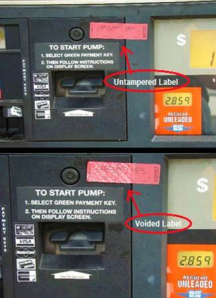
Make sure the gas pump panel is closed and doesn’t show signs of tampering. Many stations now put security seals over the cabinet panel. If the pump panel is open, the label will read “void.”
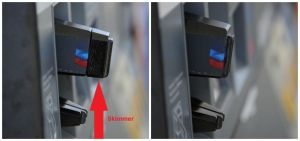
Look at the card reader itself. Does it look different than other readers at the station? For example, the card reader on the left has a skimmer attached, the reader on the right does not.
Try to wiggle the card reader before you put your card in. If it moves, report it to the attendant. Then use a different pump.

  • If you use a debit card at the pump, run it as a credit card instead of entering your PIN. That way, the PIN is safe and the money isn’t deducted immediately from your account if there is a card skimmer attached. Better yet, if you have a credit card on you – use that instead.
  • If you’re really concerned about skimmers, pay inside rather than at the pump.
  • Monitor your credit card and bank accounts regularly to spot unauthorized charges.

If you feel that any of your First Financial accounts may have been compromised as a result of a scam, please contact our Member Relationship Center at 732-312-1500, Option 9 Monday through Thursday 8:30am-5pm EST, Friday 8:30am-6pm EST, or Saturday 9am-12:30pm EST. Learn more about card skimming by checking out our YouTube Video.

Article source: Colleen Tressler for the Federal Trade Commission

How to Bounce Back from a Spending Spree

We’ve all been there. We intend to make a few purchases then suddenly we realize we’ve gone overboard with our spending. You may feel the urge to panic – but before you do, consider these tips for damage control after going on a spending spree.

Prioritize purchases
When the dust has settled and your panic begins to recede, start to look back over what you’ve bought. Are these things vital to your life, or are they all “extras” that you don’t necessarily have a need for? Sure, it’s fun to get new things, but if you’ve spent too much, you may need to think about returning some things to get your money back on track.

Get back on budget
Sure, you’ve gone over the limit, but it’s time to move forward and recover. Remember how you typically spend and if that’s been working for you, go back to your old ways. Don’t beat yourself up over what’s in the past. It’s time to regroup and remember your limits.

Plan to pay back
Stick to your original budget, but also consider ways you’re going to make up for the damage you’ve done to your wallet. If you’ve charged your purchases, now’s the time to dip into that debt repayment fund you’ve hopefully been saving up. If you shopped with cash, plan for ways you can trim your spending until your finances are where they were before your spending spree.

Reflect on patterns
Getting in this position every once in a blue moon is not cause for too much concern. But, if overspending and busting your budget is becoming a pattern, you need to stop and assess the issue. Is there a particular reason why you’re shopping/spending habits are getting out of control? Understanding why you’re behaving the way you are, will help you to make corrections and learn from your mistakes.

Need help with your budget? Check out our budgeting guide!

Article Source: Wendy Moody for CUInsight.com

3 Reasons Not to Pay Off Your Credit Cards Too Fast


When it comes to getting rid of debt, it seems like the best option is to pay it off as quickly as possible. This is especially true of credit card debt. It’s high interest, so you should just pay off what you can, as quickly as you can, right? Not so fast.

It’s actually possible to pay off your credit cards too fast. Wait, what?! Here are three reasons to take a step back and evaluate whether or not you should pay off your credit cards immediately.

1. You Don’t Want to Completely Drain Your Emergency Fund

If you have a chunk of change in your emergency fund, it might be tempting to just take the lump sum and pay off your debt.

The problem with this though, is that you open yourself to financial vulnerability if an emergency crops up. You might have to turn to your newly-paid-off credit card. When that happens, you wind up back in debt, and you’ve got no emergency fund on top of it.

There’s a reason financial experts suggest you keep at least $1,000 in an emergency fund before you start paying off debt. That way, if something happens, you can cover it without going further into debt. Don’t deplete your emergency fund in an effort to get rid of debt right now.

2. Watch Out for Cutting into Your Regular Expenses

You feel rich on payday. You feel like you can put $500 toward debt, and it makes sense. Pay it off faster and win right?

Unfortunately, you might not actually have $500 to put toward that debt. What about your regular expenses, like groceries and insurance premiums? Have you looked ahead to the bills you will need to pay in two or three weeks?

Your debt payment needs to be based on your budget and grounded in the reality of your regular monthly expenses. If you aren’t looking at all your monthly expenses, and just throwing money at your credit cards without a plan, there’s a good chance that you will need to turn to those credit cards in order to get through the rest of the month.

That means you take a step back for every step forward. Instead of getting excited and putting a large amount toward debt when you get paid, make it a point to map out your budget. Look at your income and expenses. Then make a debt payment plan that calls for an extra debt payment based on the money you have available.

3. Don’t Put Your Future at Risk

Finally, it can be tempting to take a loan out from your retirement account in order to pay off your debt more quickly. However, that can be a bad idea as well. Even though you are “paying yourself interest” on the loan, the reality is that you can’t replace the time the money is out of the market.

Another potentially dire consequence is that you could suddenly end up needing to pay the whole retirement account loan back at once. For instance, the entire loan comes due within a few months if you lose your job. The amount becomes an early withdrawal if you can’t pay it back — subjecting it to penalty and taxes. That could put you in an even worse position.

Just because it seems like you should pay off your credit card debt quickly, doesn’t mean that you should be so extreme that you put your overall finances at greater risk. If you are looking to pay off your credit card debt, ensure you have a budget and financial plan in place so that your daily expenses and emergency fund are covered first.

Article Source: Miranda Marquit for moneyning.com

4 Family Dates for $20 or Less

As a parent, it’s your responsibility to create memories for your little ones. September is a beautiful month for some outdoor family fun with gorgeous weather. There are plenty of options to enjoy a family date on a budget. Here are some great September weekend family fun ideas:

Beach Picnics and a Movie

In Monmouth and Ocean Counties, we all know the best kept secret once Labor Day has passed – local summer! Take some time to pack up and stick your toes in the sand. Bring some beach toys, get on Pinterest for some DIY beach games, and don’t forget the sunblock.

$15 for picnic fixings at the market
$5 for an Amazon or iTunes Rental

Playground and Frozen Yogurt

Watching your kids play tag with some new friends or bolster up their confidence on the “big kid slide” is completely free. For an added zing, check out Yelp or Google and search the best parks in your area and explore some new ones.

$10 for gas
$10 for frozen yogurt after the park

Secondhand Shops and Board Game Night

Thrift shops are a great spot to pick out an inexpensive “new to your kids” toy or two. After visiting a few shops, pick up a cheap board game, head home, and play a family game of Candy Land or Chutes and Ladders.

$10 for thrifty items
$10 for a board game

Book Store and a Walk

Reading to your children is one of the best ways to teach them to use cognitive skills. Book stores are typically happy to accommodate parents who enjoy taking their kids out for some reading (check out the local library too!).

Spend about 20-40 minutes reading together as a family. At the end of the date, buy a new book to take home and then head over to a beautiful setting (beach, park, etc.) to enjoy a walk.

$8 for a new book
$6 for snacks
$6 for gas

As you can see, you can create great family memories and save money on activities at the same time. Happy bonding!

Article Source: Jeremy Hartley for moneyning.com

3 Ways to Save Money and Simplify Your Life

We’re all busy, and life is pretty crazy. Juggling your personal life and a career can be quite stressful, and at times, very expensive. How often do you feel this way? If the answer is too often, it may be time to make a few changes. Here are three ways you can simplify your life and save money in the process.

Set it and forget it: Keeping up with all of your financial responsibilities can be a hassle and an unnecessary stress in your life. To make this process easier, create a budget, stick to it, and automate as many payments as you can. When you don’t have to think about bills and savings accounts, it’s a lot less stress in your life, plus you don’t have to worry about late fees and missed payments.

Stick to your household budget and learn how to create one with First Financial’s budgeting guide.

Get rid of your junk: After a long day, it’s nice to enjoy your home and all your “stuff.” But how much of that “stuff” are you really using? What’s important and what’s just clutter? You really think that kayak from college is going to ever be more than an artifact collecting dust? Getting rid of the clutter in your life can bring you peace and put a few extra dollars in your pocket. Have a garage sale and donate whatever doesn’t sell to a local charity.

Downsize your life: Are you running yourself to death getting from Point A to Points B, C, and D? Slow down a little. Between baseball, soccer, cheerleading, and ballet, your family can get way too busy. Figure out what’s important and cut out the stuff that doesn’t really matter. Being on-the-go less means being at home more, relaxing, and spending less money on fast food and sporting goods.

Article Source: John Pettit for CUInsight.com

3 Bad Money Habits You’re Passing on to Your Children

It can be easy to forget in our busy day-to-day lives, that our children are paying close attention to our words and actions. They emulate what they see around them and grow increasingly impressionable with age. It’s important to positively influence them by demonstrating proper behaviors and habits they can learn from. When it comes to finances, there are a variety of ways you can properly educate your children, including discouraging them from practicing these three bad money habits.

Impulse buying

When you go shopping do you follow a set shopping list? If your answer is “no” and you shop with your children, it’s time to start sticking to your plan. When you’re shopping, and grabbing things without any forethought, you are showing your children that sticking to a budget is not your priority. They may also view your impulse shopping as disorganized and unstructured. Instead, instill in them the importance of writing down a plan and getting only what’s necessary, to stay on the right track with spending.

Not talking about money

As children get older and they begin to understand the value of money, it’s important they are taught to be open about financial issues. Some view money matters as difficult or awkward to talk about. But, when it comes to building confidence in your children, it’s vital they learn the skills necessary to effectively manage their personal finances. Developing healthy financial habits from an early age is extremely important and it begins with everyday conservations.

Living above your means

If your child asks for something at the store, but you don’t have the money to buy it, it’s okay to use that old saying, “money doesn’t grow on trees.” So many Americans live outside of their means in an effort to “keep up with the Joneses.” Instead of raising entitled children that expect everything no matter how tight funds are, teach them the importance of differentiating between “wants” and “needs.” Help them understand that it’s okay to splurge on occasion, but it’s more important to budget and save in order to maintain good financial standing for a happy, stress-free life.

Article Source: Wendy Moody for CUInsight.com